
English| EUR
Suggested for you
More currencies
Choose a language
Island drinks in Cozumel run on a short list of ingredients: lime, raw sugar, hibiscus, tamarind and the anise-led liqueur Xtabentún. This cozumel drink recipe guide explains the structure behind those pours and which variables actually change the taste. It also shows where a Cozumel cocktail workshop fits into a day in Centro.
Quick answer
A Cozumel drink recipe usually runs on four parts: citrus, a sweetener, water or ice, and one Yucatán accent such as hibiscus, tamarind, or anise-led Xtabentún. Hands-on sessions at 25 Avenida Sur 271 sit inside the 11:00–14:00 window, Monday through Saturday. Entry itself costs 0 USD; the class is the booked part, and Sunday is closed.
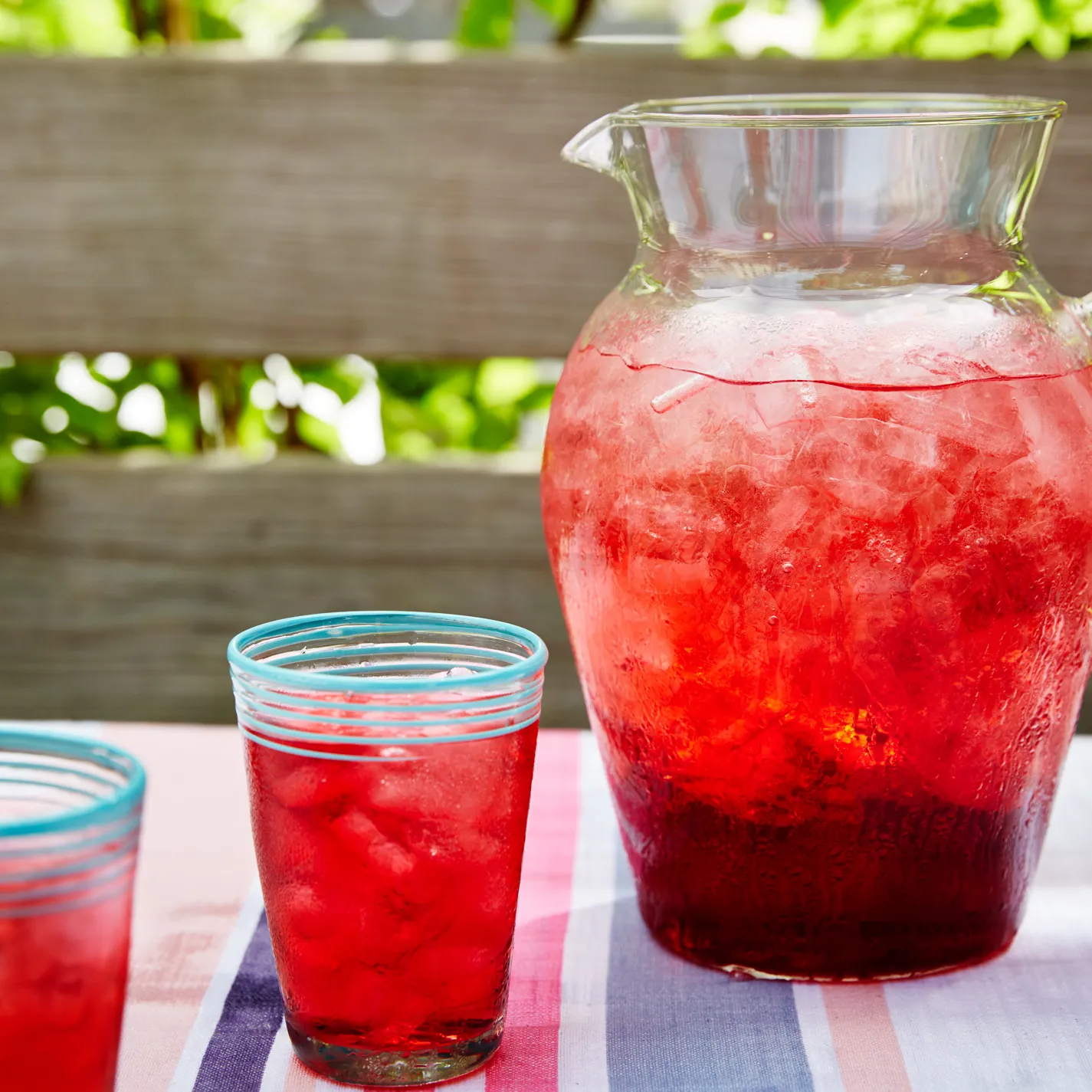
Xtabentún, the anise-and-honey liqueur poured across the Yucatán Peninsula, draws its character from honey gathered by bees working one white morning-glory flower, so no two bottles taste identical. That variability is the reason a cozumel drink recipe works better as a method than as a fixed formula. What travels is the structure: a souring agent, a sweetener, cold water or ice, and a single regional ingredient doing the heavy lifting. Visitors who arrive in Centro expecting a printed card of measurements tend to leave with something more durable — a feel for how much lime a pitcher of agua de jamaica absorbs before the hibiscus flattens out. Two families of drinks dominate island kitchens. Aguas frescas come first: jamaica steeped and strained, tamarind pulp worked loose by hand, horchata thickened with rice and cinnamon, and chaya blended with pineapple into something closer to a tonic. Cocktails follow, and they borrow the same pantry — sour orange instead of lemon, habanero infused into tequila with a careful count of seconds, Xtabentún standing in for anise liqueurs that Cozumel kitchens rarely stock. Recetas de bebidas cozumeleñas also lean on the michelada, a beer-and-lime build that behaves differently in the island's humidity than it does inland. Knowing which family a drink belongs to tells a cook which rules apply. Supply shapes the glass. Cozumel sits off the mainland, so produce arrives by ferry and the market stock in San Miguel shifts week to week. Through autumn, tamarind and sour orange are easy to find; certain herbs are not. Island cooks adjust by ratio rather than substitution, pushing sweetener up when fruit runs tart and leaning on salt at the rim when it runs flat. Water matters too — many households build aguas frescas with purified water, which changes how quickly sugar dissolves. None of this appears on a recipe card, and all of it changes the result. The practical move is to learn the ratios beside someone who pours them daily. A Cozumel cooking class drinks session on 25 Avenida Sur hands over the measuring, the straining and the tasting, which is where ratios stop being abstract. Readers comparing options should treat any cozumel drink recipe found online as a starting ratio, then correct it against the fruit in front of them. The sections below cover the schedule, costs and arrival details.
“A recipe card gives the ratio; the fruit in front of you gives the correction.”
Traditional Cozumel beverages rely on the deep-rooted history of regional Mexican spirits and the abundant tropical fruit harvested across the Yucatan Peninsula. Understanding these ingredients provides context for the balanced profiles taught in local culinary programs.
Authentic island drinks frequently utilize mezcal, a spirit distilled from the heart of the agave plant that dates back to pre-Hispanic times. Unlike mass-produced alternatives, traditional mezcal is often defined by its smoky profile derived from underground pit-roasting methods.
The inclusion of sour orange, or naranja agria, is a hallmark of regional Mexican mixology. This specific citrus hybrid offers a more complex acidity than standard oranges, balancing the sugar content in local cocktail recipes.
Melipona honey, produced by stingless bees native to the Yucatan region, has been used as a sweetener in local beverages for centuries. This ingredient is noted for its floral complexity and historically significant role in Mayan ceremonies.
Cozumel recipes prioritize the use of seasonal fruits like pineapple, mango, and papaya to provide natural sweetness and texture. These fruits are often muddled to preserve essential oils and fresh flavor profiles characteristic of Caribbean-influenced drinks.
The addition of tajin or locally sourced habanero-infused salts creates a contrast between heat and sweetness. This practice reflects the broader Mexican culinary tradition of using spice to enhance, rather than mask, the primary flavors of a drink.
Modern beverage instruction in Cozumel focuses on the intersection of ancient ingredients and contemporary techniques. By prioritizing local sourcing, these recipes maintain a direct connection to the island's historical culinary identity.
This is the working sequence instructors walk you through at the 25 Avenida Sur 271 kitchen, from produce selection to the finished glass, inside the 11:00–14:00 session window. Each step builds on the last, so the drink you pour at the end tastes the way it was designed to taste.
Press each lime at the market table and reject any that feel hard or light, since those yield bitter pith juice instead of sweet pulp. Most beginners grab by colour alone and end up with fruit that has already dried out inside.
Cut limes into quarters, strip mint from thick stems, and measure syrup into a small vessel before touching any spirit. People who skip this stage rush the muddling later because their hands are busy chopping while the ice melts.
Press the muddler straight down four to six times, rotating slightly, to bruise the leaves and release oil. Grinding or twisting shreds the mint and pushes chlorophyll into the glass, which turns the drink grassy and bitter.
Add lime juice and syrup to the muddled herbs first, then stir until the sugar fully dissolves. Adding spirit before the sugar dissolves leaves a sweet layer sitting at the bottom of the glass.
Pour the rum or tequila in a steady stream down the side of the glass and stir, rather than dumping it in at once. Instructors watch for over-stirring here, which dilutes the drink before the ice has done its work.
Fill with fresh ice, top with soda if the recipe calls for it, then taste with a straw and adjust acid or sweetness. Guests who skip the taste check never learn how their own balance differs from the written ratio.
Write down the measurements you settled on before you leave the kitchen. Memory fades fast, and the ratio you liked is the one detail nobody reconstructs correctly at home.
Cozumel drink recipe classes operate Monday through Saturday. The facility is closed on Sundays.
Access to the facility is provided at no cost, though all cooking and drink preparation workshops require separate registration. Fees for these instructional sessions are based on the specific tour or workshop package selected.
Verdict: While there is no entrance fee, visitors pay for instruction through scheduled workshop bookings, with costs varying based on the selected experience.
The cooking studio is located at 25 Avenida Sur 271, Centro, Cozumel, Q.R., Mexico. It is centrally situated and accessible by various local transport options.
Direct drop-off at 25 Avenida Sur 271
Head south from the main plaza towards 25 Avenida Sur
Follow road signs for Centro toward 25 Avenida Sur
Plan to arrive within the best arrival window of 11:00–14:00. Confirm your scheduled time in advance, as instructor availability depends on your specific tour booking.
Everything you need to know about cozumel drink recipe
Yes, many of our sessions allow you to master a classic cozumel drink recipe using fresh, local ingredients. Instructors guide you through the preparation of authentic refreshments alongside your meal.
A traditional cozumel drink recipe often features fresh lime, local agave spirits, and tropical fruit juices. These components create the balanced, refreshing flavor profiles found across the island.
While learning a cozumel drink recipe is a popular feature of our island cooking tours, availability depends on the specific curriculum of your chosen session. We recommend checking the details of individual culinary experiences to ensure drink preparation is included.
Because class sizes are kept small to ensure quality instruction, we recommend booking your spot online before you arrive. This ensures you have a place in the kitchen to learn your favorite island-style cocktail methods.
While anyone is welcome to observe, participants must be of legal drinking age in Mexico to consume alcoholic beverages prepared during our island mixology workshops. We offer non-alcoholic alternatives for younger guests or those who prefer them.
There is 0 USD entry fee to visit our location, as classes are tour-based services with separate booking fees. You only pay for the specific culinary experience you choose to attend.